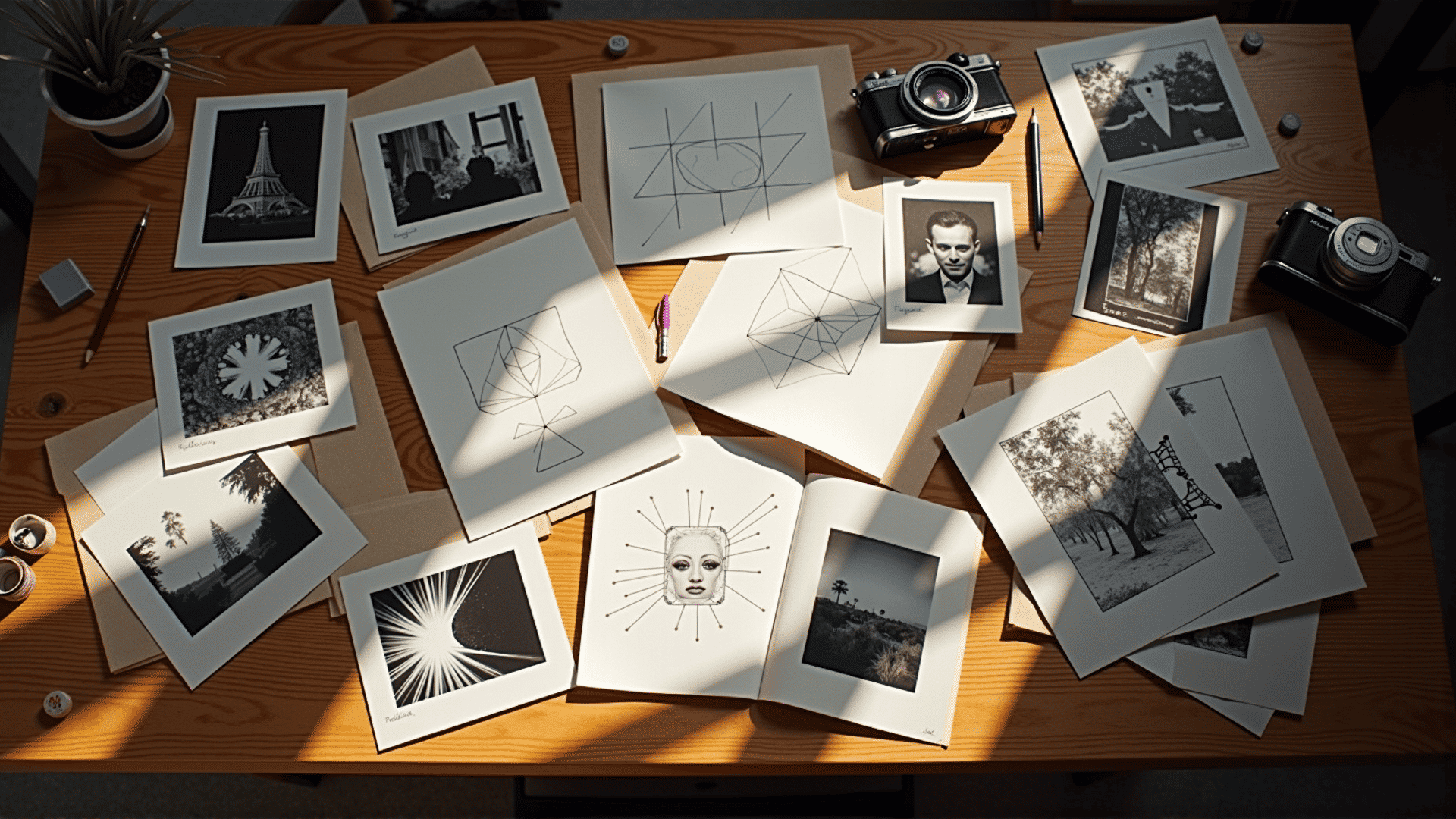
In the world of photography, composition is a fundamental aspect that can significantly impact the effectiveness and appeal of an image. Mastering the art of photo composition involves recognizing how to arrange various visual components within a frame to create harmony and draw the viewer's eye to the desired focal point. Here's a guide to understanding and applying the principles of composition to enhance your photographic skills.
Understanding the Rule of Thirds
The rule of thirds is one of the foundational principles in photo composition. By dividing your frame into a 3x3 grid, you can position the main elements of your photo along these lines or at their intersections. This technique creates balance and guides the viewer's gaze naturally around the image. Practicing this rule can lead to more dynamic and engaging photographs.
Leading Lines
Leading lines are a powerful way to draw the viewer into the scene and direct their attention towards a particular point. These lines can be anything from roads, rivers, or fences to less obvious elements like the curve of a mountain or the edge of a shadow. By incorporating leading lines, you can add depth and a sense of movement to your images.
Framing the Subject
Using natural frames within your compositions can add context and a sense of depth to your photographs. This can include elements such as windows, doorways, or even overhanging branches. A well-chosen frame will enhance the focal point, providing a contained yet expansive view of the main subject.
Balancing Elements
While it's essential to have a strong focal point, balancing it with secondary elements can prevent your image from feeling lopsided or empty. Consider the overall structure of your photograph, ensuring that no one part feels heavier than the rest. Symmetry and asymmetry both have their places in composition, depending on the mood you want to convey.
Paying Attention to Backgrounds
The background of your photo can either complement the subject or distract from it. A cluttered or overly busy background can detract from the main point of interest, whereas a simple, unobtrusive background usually highlights the subject effectively. Before pressing the shutter button, take a moment to examine what lies behind your focus and adjust your position or framing if necessary.
Color and Contrast
The strategic use of color and contrast can elevate an image and direct the viewer's attention. Bright colors can capture attention quickly, while muted tones may suggest a more subtle, serene atmosphere. Contrast, on the other hand, can be used to emphasize differences between elements, making certain parts of the image pop out more than others.
Experimentation and Practice
Finally, don't be afraid to experiment with different techniques and styles. The more you practice, the more intuitive composition will become. Over time, you'll develop an eye for what works best in different situations, allowing you to capture compelling and story-rich photographs.
By focusing on these composition techniques, photographers can transform ordinary scenes into extraordinary visuals that captivate the viewer's imagination. Understanding and applying these principles consistently is key to creating images that resonate and leave a lasting impression.