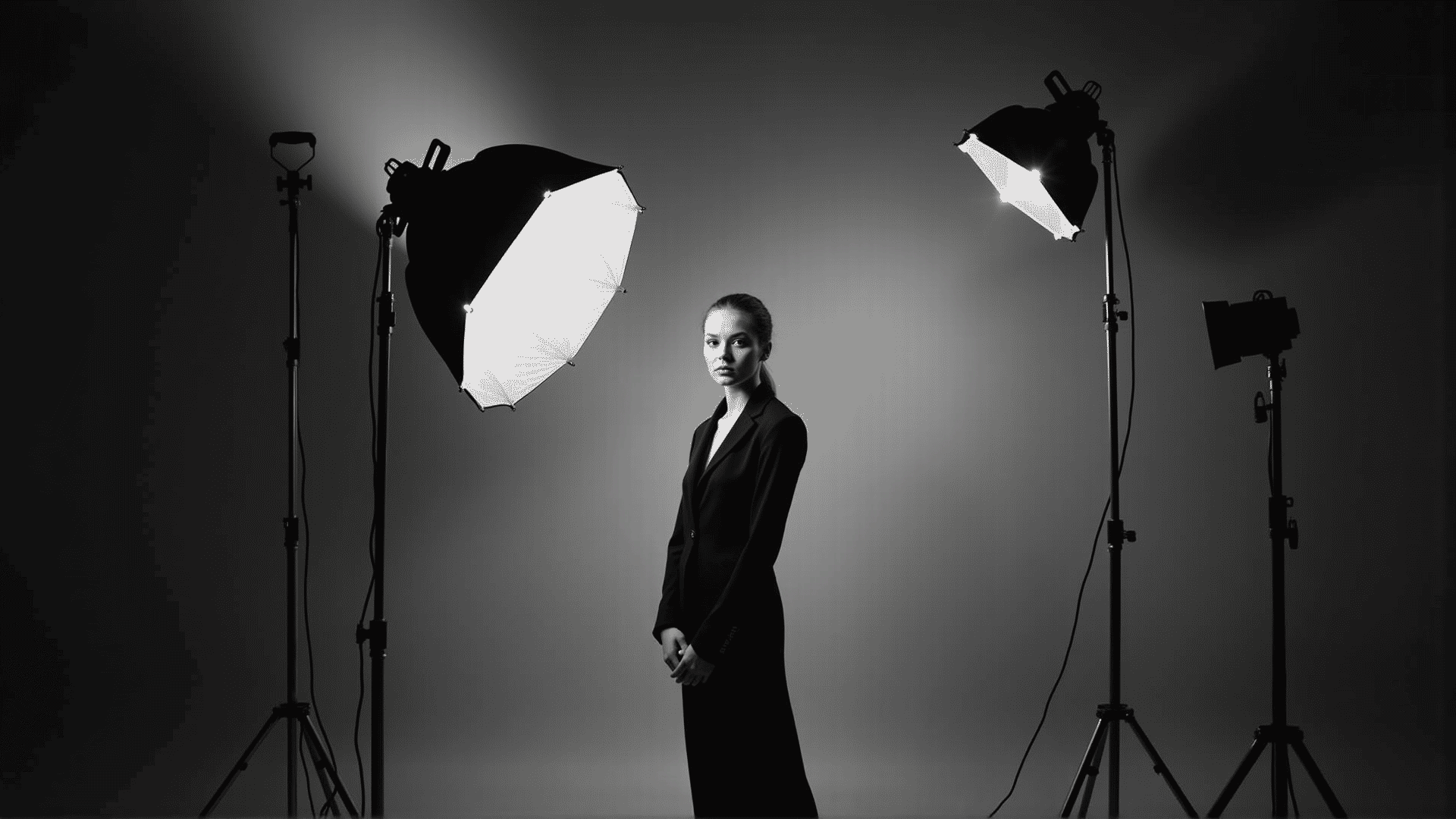
Understanding how to manipulate lighting is a crucial skill for photographers, significantly impacting the mood and depth of images. Whether you're using daylight streaming through a window or the glow from a studio lamp, mastering these sources can elevate your photography to new heights.
Natural Light
Natural light is diverse and varies throughout the day, providing an array of lighting situations. Early morning and late afternoon offer soft, warm tones ideal for capturing portraits and landscapes. Known as the "golden hour," this time frames subjects in a gentle glow, enhancing textures without harsh shadows.
Midday light, though harsh, can be beneficial if used creatively. The strong contrast and defined shadows can add drama and intensity, especially in black and white photography. Positioning your subject in shaded areas or utilizing diffusers can help soften these sharp angles.
Cloudy days act as a natural diffuser, offering even light that minimizes shadows. This setup is perfect for capturing vibrant colors and intricate details, making it a favorite for nature and macro photography.
Artificial Light
Artificial lighting offers control and consistency, key elements for indoor shoots. Studio setups typically employ softboxes, umbrellas, and reflectors to manipulate and soften light. By altering the distance and angles, photographers can highlight specific areas and create the desired mood.
Understanding the color temperature of artificial sources is crucial. Fluorescent lights emit a cooler tone, while tungsten bulbs produce warmer hues. Adjusting your white balance settings or making post-edit corrections can ensure accurate color representation.
Experimentation with flash can also yield exciting results. A direct flash might be too harsh, but bouncing it off walls or ceilings can spread light more evenly, creating a balanced exposure. Off-camera flash setups allow for creative control over shadows and highlights, great for artistic expression.
Creative Techniques
Using backlighting can add depth and intrigue, casting subjects into silhouette and emphasizing outlines. This technique often results in captivating, mysterious images. Similarly, side lighting brings forth textures and detail, adding dimensionality to otherwise flat subjects.
Color gels and filters can transform artificial light, introducing an array of hues that shift the mood and atmosphere. They can simulate different times of day or recreate specific scenescapes, extending the photographer's creative toolkit.
Conclusion
Exploring different lighting techniques can profoundly change the impact of a photograph. Whether opting for the gentle embrace of natural illumination or the calculated precision of studio setups, understanding and manipulating light empowers photographers to creatively express themselves and tell compelling stories through their images. Practicing various techniques will help you discover the unique lighting style that best complements your vision.