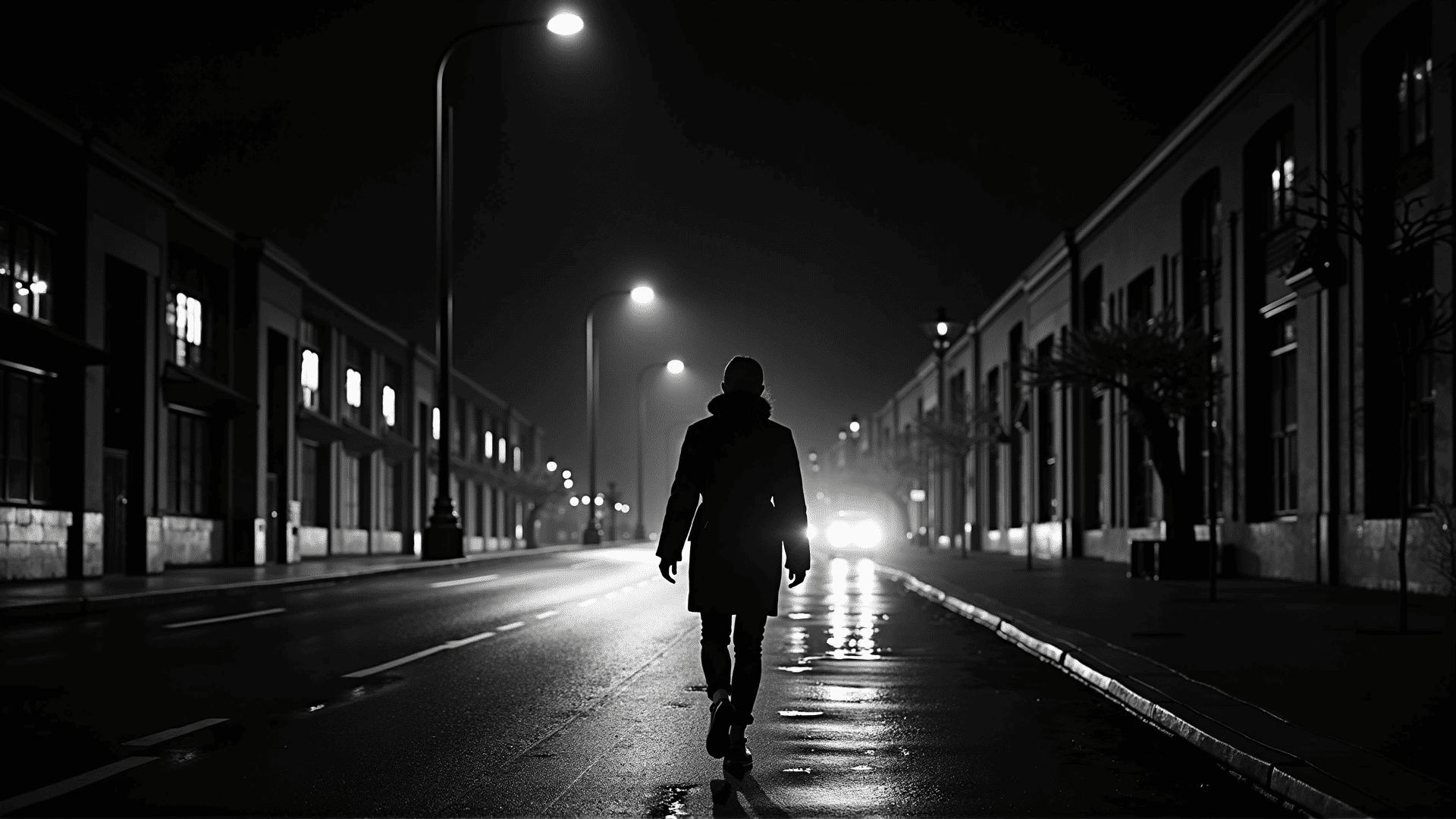
The art of black and white photography transcends the mere absence of color, offering a world where light and shadow dictate the mood and emotion within a frame. Mastering the secrets of lighting is crucial to creating images that are not only compelling but also timeless, drawing viewers into a narrative crafted entirely through contrast, tone, and nuance.
At the heart of effective black and white photography lies the interplay between light and shadow. To begin with, understanding the quality of light is essential. Soft, diffused lighting can imbue an image with a gentle gradient of shades, providing a subtle yet powerful sense of depth. This type of lighting is particularly effective for portraits, as it gently wraps around the subject, emphasizing delicate features and creating a flattering depiction.
Conversely, hard lighting, with its sharp shadows and bright highlights, can be leveraged to create drama and intensity. This lighting style is often used in architectural photography, where the stark contrasts can accentuate the bold lines and geometric shapes of a structure. By experimenting with different light sources and angles, photographers can manipulate these shadows to lead the viewer's eye towards the intended focal points of the image.
Texture plays a pivotal role in black and white photography as well. Without the distraction of color, the viewer's attention is naturally drawn to the tactile elements within a scene. Direct lighting can accentuate these textures, highlighting every detail and creating an image that almost feels tangible. This technique can be particularly useful in capturing landscapes or still life, where the intricate details of surfaces like weathered wood or rippling water can become the central focus of the composition.
Another critical aspect to consider is tonality. In the absence of color, tones become the primary vehicle of expression. High-key images, dominated by lighter tones, can evoke an ethereal or peaceful atmosphere, while low-key images, rich in darker tones, often carry a sense of mystery or foreboding. Manipulating tonal range allows photographers to convey a deeper emotional resonance within their work, guiding the viewer's response to the image.
The strategic use of contrast also plays a crucial role. High contrast can add impact and clarity, making the elements within the frame stand out distinctly. Meanwhile, a softer contrast might merge the gradients softly, leading to a more cohesive and dream-like image. The choice of contrast can significantly affect the story being told, transforming the mundane into something extraordinary or intensifying an already powerful scene.
Black and white photography also thrives on capturing the essence of a moment. By attentively observing light throughout the day, photographers can identify when natural lighting conditions best align with their vision. The golden hour, with its gentle, low-angle sunlight, can offer a dramatic enhancement to textures and shadows. Similarly, the moody, diffused light of an overcast day can bring out the richness in tonal variations.
Additionally, the implementation of artificial lighting opens a wide range of creative possibilities. Techniques such as backlighting can create striking silhouettes, while side lighting can add depth and dimension to an otherwise flat subject. Mastering such techniques allows photographers to control and shape light according to their artistic intentions.
In conclusion, black and white photography is an art form that hinges on the mastery of light. Through careful manipulation of lighting conditions, photographers can produce images that are both compelling and timeless. Whether through subtle gradations or stark contrasts, the nuances of light and shadow have the power to imbue a photograph with depth and emotion, transforming it into a piece of visual poetry.