Photography is a mesmerizing art that transcends words, capturing the essence of emotion, mood, and personality in a single frame. Among its many forms, portrait photography holds a special place, allowing photographers to weave stories through the lens. The secret to creating impactful portraits lies in mastering photo composition—a blend of artistry and technique.
Understanding Composition Basics
Before delving into creative techniques, it's essential to grasp the fundamentals of composition. Classic rules such as the Rule of Thirds, Leading Lines, and Symmetry form the backbone of captivating photos. The Rule of Thirds involves dividing a frame into nine equal parts and placing the subject along these lines or their intersections, creating balance and focus. Leading Lines guide the viewer's gaze towards the subject or through the image, while Symmetry brings a sense of harmony and proportion.
Focus on the Eyes
In portrait photography, the eyes are the window to the soul. They convey emotion, direction, and often become the focal point of the image. Positioning your subject to make their eyes the sharpest element of the portrait can draw immediate attention and evoke a connection with viewers. Using techniques like catchlights, which are reflections in the eyes, can add depth and sparkle.
Play with Perspective
Experimenting with different perspectives can transform ordinary portraits into extraordinary ones. Capturing your subject from various angles—high above, ground-level, or side-on—can offer new narratives and insights into the person you are photographing. Each perspective could reveal a different aspect of personality or highlight unique features.
Incorporate Natural Elements
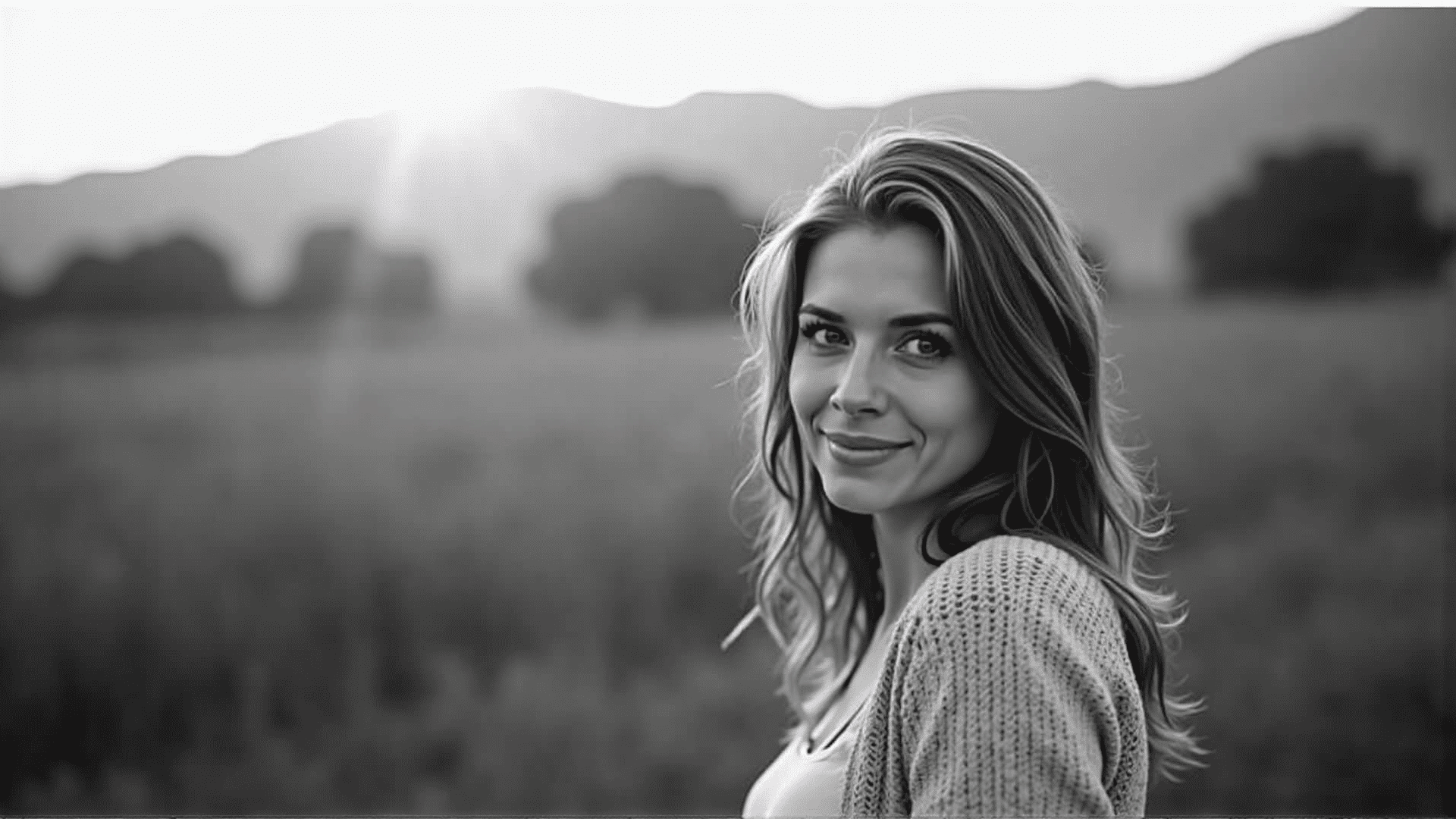
Nature can play a significant role in enhancing portrait compositions. Incorporating natural elements like trees, flowers, or water not only adds texture and depth but also influences the mood. A portrait taken against the backdrop of a forest or with sunlight filtering through leaves can produce an ethereal, dreamlike quality.
Utilize Negative Space
Negative space refers to the empty areas around the subject, and when utilized effectively, it can create a striking image. It allows the subject to breathe within the frame and emphasizes their presence. Negative space can also direct attention and provide context, enhancing the storytelling element of the portrait.
Experiment with Color and Light
Color harmonies and contrasts can significantly impact the composition and mood of a portrait. Warm tones can create a feeling of comfort and intimacy, while cool tones may evoke calmness or detachment. Similarly, light can transform an image: natural light fosters a soft and organic feel, while dramatic lighting can introduce tension and intrigue.
Tell a Story with Props and Background
Every portrait should narrate a story, and selecting the right props and background aids in achieving this. Whether it’s a musician posing with their instrument or a scholar surrounded by books, props provide context and depth. The background, when thoughtfully chosen, should complement the subject without overwhelming them, weaving seamlessly into the narrative.
Capturing Emotion and Movement
Portraits that capture genuine emotion or movement tend to resonate deeply. Encourage your subject to interact naturally with their environment, eliciting genuine expressions or spontaneous moments. This authenticity translates into more relatable and memorable images.
Conclusion
Artful photo composition in portrait photography transcends technical prowess. It requires an empathetic approach, creativity, and a keen eye for detail. By experimenting with these techniques, photographers can capture portraits that not only showcase external beauty but also tell the unique and compelling stories of their subjects. Through this fusion of artistry and storytelling, the true essence of individuals can be immortalized in every click of the shutter.